




Handle & knob materials, explained
On a product page, two handles can look almost identical. What they're made of is what changes how they feel in your hand, how they age over the years, and how you care for them. Here's a plain-English guide to every material we work with — what it is, how it's finished, and which one is right for your project.
New hardware changes the whole feel of a room in an afternoon — and knowing a little about what each material is made of makes choosing easy.
First, a quick word on finishes
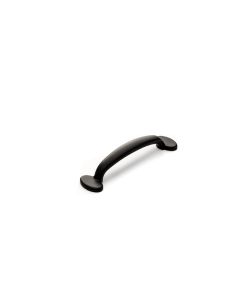
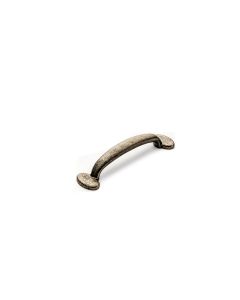
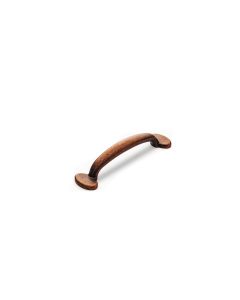
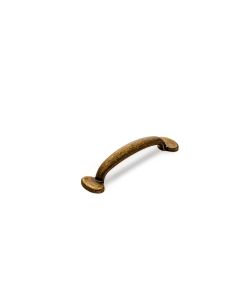
Not every handle is solid metal all the way through — and that's a good thing. The base material gives a handle its structure; a separate finish gives it its look. Most finishes are applied by electroplating: the handle is submerged in a bath and a gentle electric current bonds a fine layer of metal — brushed brass, copper, chrome, matte black — onto the surface, then sealed with a clear protective lacquer.
The upshot: one shape can come in a dozen finishes, all hard-wearing. So when you're choosing, it helps to know both the base material (how it feels and lasts) and the finish (how it looks).
Zinc alloy most common
By far the most common material for handles and knobs. Zinc alloy — often called Zamak (zinc with a little aluminium, magnesium and copper) — is die-cast: molten alloy is injected into a mould and captures fine detail crisply. That's precisely why zinc-alloy pieces come in such an enormous range of shapes and styles.
Because the cast surface takes plating beautifully, these pieces are then electroplated in almost any finish — a stainless-steel look, brushed brass, copper, matte black — or lacquered in any colour, and sealed to protect it. The result is solid, durable, everyday hardware with the widest choice of looks at accessible prices.
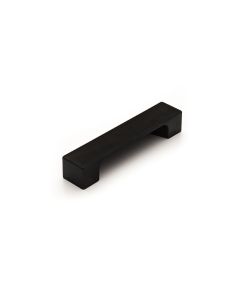
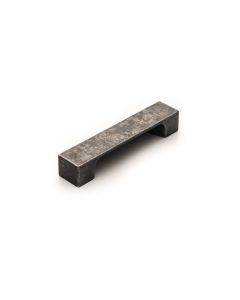
Brass
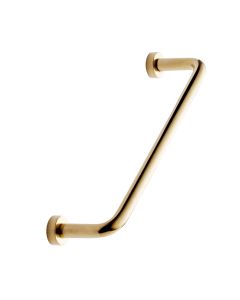
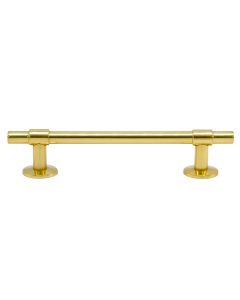
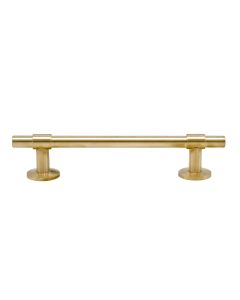
Here the base material is brass through and through — an alloy of copper and zinc, weighty and built to last a lifetime. Brass comes in several guises: lacquered to hold its bright shine, left natural so it develops a living patina that deepens beautifully over the years, or brushed for a soft, matte glow.
A genuine fun fact worth knowing: because brass is a copper alloy, it's naturally antimicrobial. Copper alloys are the only solid surfaces registered by the US Environmental Protection Agency as continuously killing bacteria — proven to kill more than 99.9% of common bacteria within about two hours. On a handle your family touches every day, that's a quietly lovely quality to have.
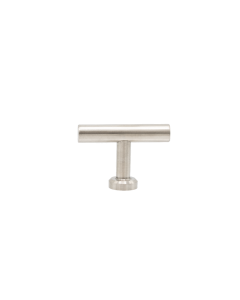
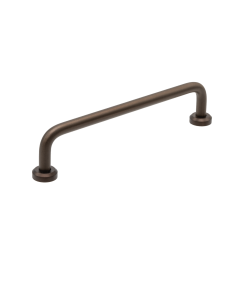
Stainless steel
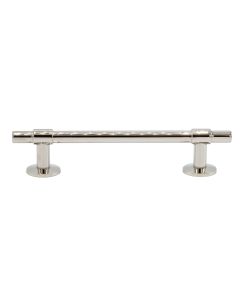
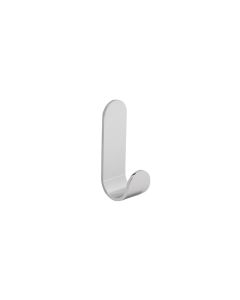
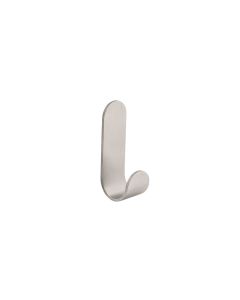
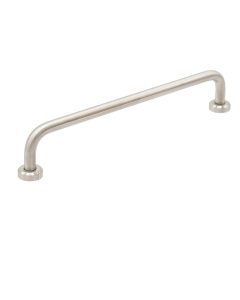
A true classic: solid, corrosion-resistant stainless steel, as at home in a professional kitchen as a family one. It's offered brushed or polished as-is, or lacquered in any colour, and it's exceptionally hard-wearing — a simple wipe keeps it looking new.
One thing to know: solid stainless steel is noticeably heavier than a zinc-alloy handle wearing a stainless-steel finish. You can feel the difference in your hand when you pick it up — though once it's mounted on the door, both look every bit the part. Neither is "better"; it's about the weight and feel you prefer.
Stainless Steel

Aluminium
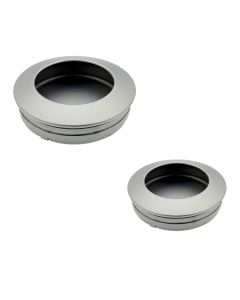
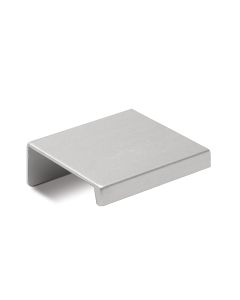
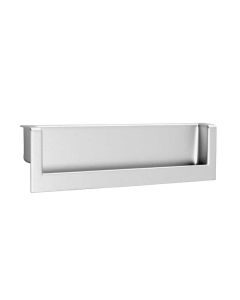
Lightweight but strong, aluminium comes into its own for profile and continuous handles — the long, extruded shapes that are cut to length. It's formed into long profiles and then finished (typically anodised or coated), much like zinc alloy, so it's corrosion-resistant and available in clean, contemporary looks.
Wood
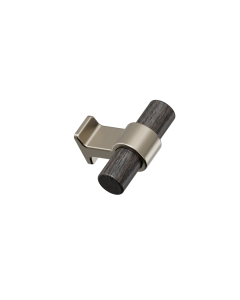
A natural, tactile counterpoint to metal, usually in oak and sometimes walnut. Wooden pieces are either lacquered — for protection and an even, consistent tone — or left more natural, so the surface softens and gains character with everyday use. Care is simple: keep them out of standing water and a damp cloth is all they need.
Wood
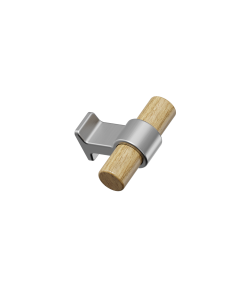
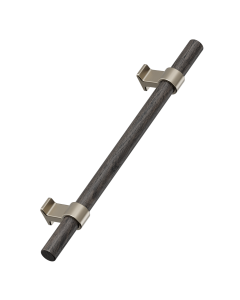
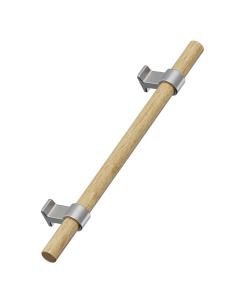


Cast iron & concrete
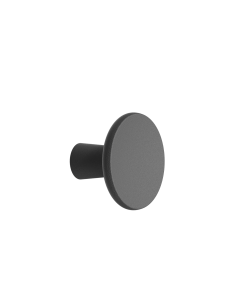
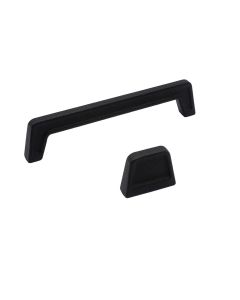
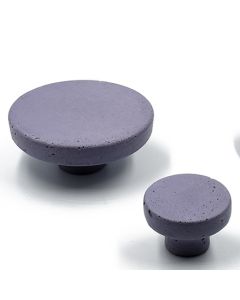
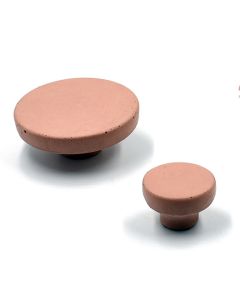
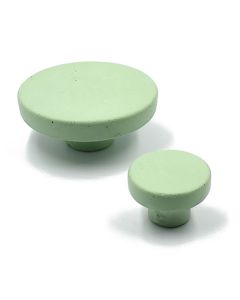
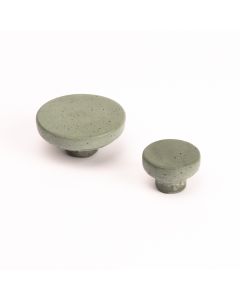
Niche, but full of personality. Cast iron is heavy, rustic and traditional — think French bistro or country farmhouse — and robust; it's usually lacquered or waxed to keep it looking its best. Concrete is the modern, industrial counterpart: matte, understated and tactile, with each piece subtly unique.
Cast Iron & Concrete
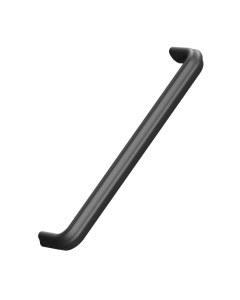

At a glance
| Material | Look & feel | Durability | Care | Best for |
|---|---|---|---|---|
| Zinc alloy | Any finish or colour; solid | Everyday-tough, sealed | Wipe clean | Widest choice & value |
| Brass | Warm, weighty; shiny, natural or brushed | Lasts a lifetime; patinas if natural | Wipe; polish or let it age | Heritage & statement |
| Stainless steel | Cool, heavy, precise | Very hard-wearing | Wipe clean | Modern, hard-use |
| Aluminium | Light, clean, contemporary | Corrosion-resistant | Wipe clean | Profile & handleless looks |
| Wood | Warm, natural, tactile | Durable; softens with age | Damp cloth; keep dry | Warm & Scandi interiors |
| Cast iron / concrete | Rustic or industrial; characterful | Robust | Wipe; keep dry | Character schemes |
So, which should you choose?
- A specific colour or finish, the most choice, best value — Zinc alloy
- A premium classic that ages beautifully (and is naturally hygienic) — Brass
- Modern, tough and low-maintenance — Stainless steel
- Lightweight, profile or handleless-look designs — Aluminium
- Warmth and natural texture — Wood
- Character and a talking point — Cast iron / concrete
Whichever you choose, the finish is protected and built to last — so the "right" material really comes down to the look and feel you want, and how you like things to age.